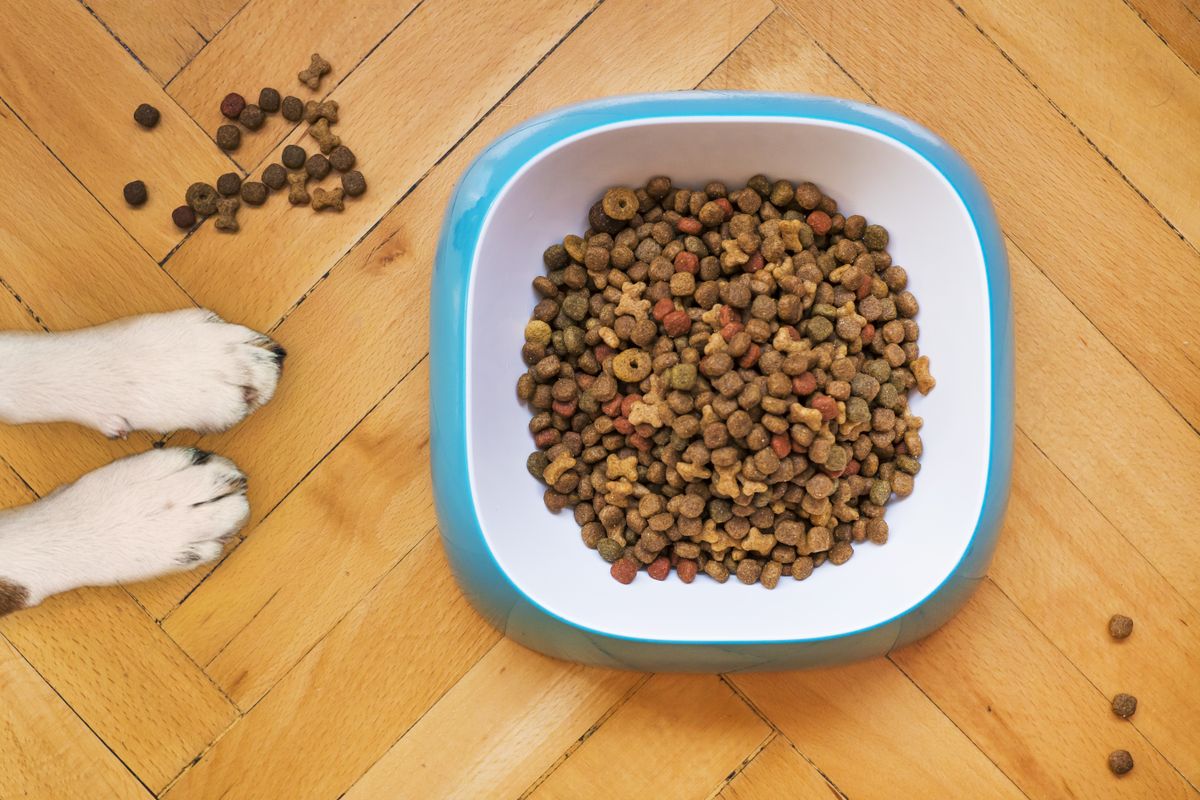
Good nutrition is one of the foundations of pet wellbeing, but there is no single answer that suits every animal. Dietary needs vary widely by species, age, size, activity, and health status. This beginner overview offers general context — not a feeding plan.
Why one size does not fit all
Cats, dogs, birds, and other pets have genuinely different nutritional requirements. Even within a species, a growing puppy or kitten, an adult, and a senior pet may need different levels of nutrients. If you are ever unsure, a veterinarian is the right person to ask about your individual pet.
Reading a label, simply
- Life stage — labels often state whether a food suits growth, adult maintenance, or all life stages.
- Ingredients — listed by weight; the first few ingredients give a rough sense of the main components.
- Feeding guide — a starting reference, not a fixed rule for every animal.
- Complete vs complementary — some foods are a full diet, others are intended as part of one.
This article is general information only. It is not veterinary advice and does not replace an assessment by a qualified veterinarian or a veterinary nutrition professional.
Water and routine
Fresh water should always be available. Steady routines around feeding can help, and sudden changes to diet are often best introduced gradually. If your pet’s appetite, weight, or digestion changes, that is a good reason to speak with a veterinary professional.
Common questions
Pet parents often ask how much to feed, whether treats are okay, and how to handle special diets. The honest general answer is: it depends on your pet. A veterinarian can consider your pet’s age, activity, and health before advising on portions and choices.
Where to go next
If you would like to explore general wellness topics, visit the blog, browse the sample pet essentials, or see how a nutrition consultation appears in the demonstration booking form.